
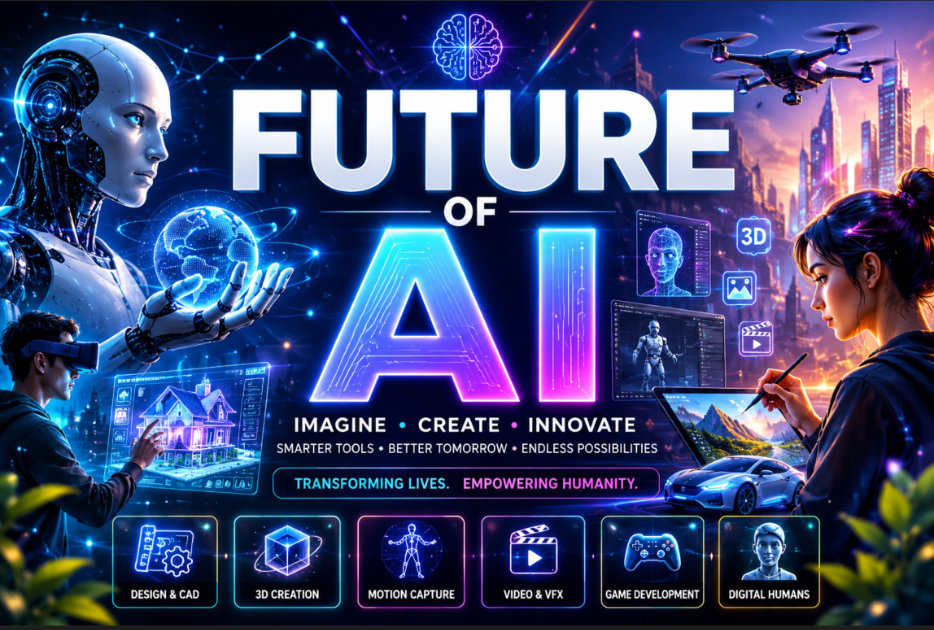
The future of AI is no longer a futuristic concept confined to science fiction. It is already reshaping industries, enhancing creativity, streamlining workflows, and improving the way people live and work. From healthcare and education to entertainment and engineering, AI is becoming one of the most powerful technologies humanity has ever created.
What makes this moment especially exciting is the rise of generative AI and intelligent creative tools. These systems are helping artists, designers, developers, engineers, filmmakers, and everyday users achieve tasks that once required years of technical expertise.
The Future of AI is not about replacing humans — it is about empowering them.
How AI Can Improve Our Lives?
AI has the potential to make life better in several important ways:
1. Saving Time Through Automation
AI can automate repetitive tasks such as data entry, editing, rendering, coding, and design production. This allows people to focus on creativity, strategy, and innovation instead of manual work.
2. Making Creativity Accessible
In the past, creating 3D models, animations, or cinematic visual effects required expensive software and specialist training. AI tools are lowering these barriers, enabling individuals and small teams to produce professional-quality work.
3. Enhancing Education and Learning
AI tutors, simulation tools, and interactive systems can provide personalized learning experiences, helping students learn faster and more effectively.
4. Supporting Healthcare and Wellbeing
AI is already assisting doctors in diagnostics, medical imaging, drug discovery, and patient monitoring, potentially improving healthcare accessibility worldwide.
5. Accelerating Innovation
Researchers and companies can use AI to test ideas, simulate environments, generate prototypes, and solve complex engineering problems at unprecedented speed.
AI Tools Shaping the Future of AI, Creativity and 3D Technology
A new generation of AI-powered platforms is transforming digital creation, especially in 3D design, motion capture, video generation, and virtual production.
Below are some of the most exciting tools helping shape the future:
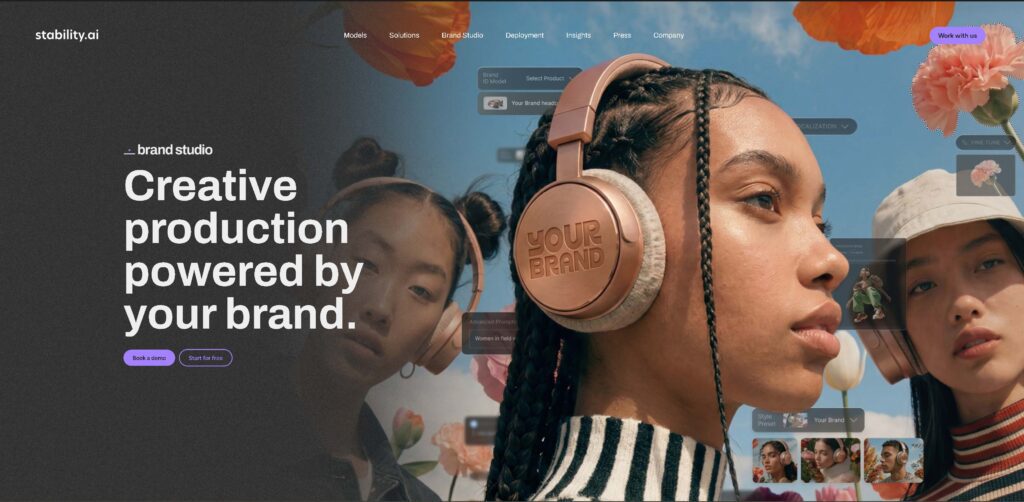
Stable Video 3D
Stable Video 3D uses AI to generate 3D views and animations from images or video inputs. It represents a major step toward AI-generated virtual environments and immersive content creation.
Website: https://stability.ai
How it helps:
- Simplifies 3D content production
- Assists game developers and filmmakers
- Enables rapid visual prototyping
Depthify.ai
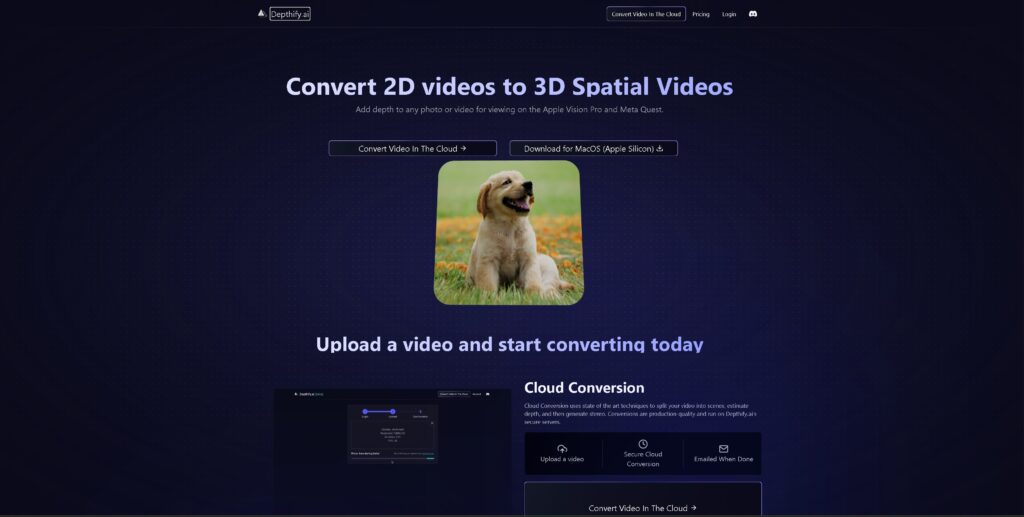
Depthify.ai converts standard videos into depth-enhanced or stereoscopic 3D experiences suitable for VR and spatial computing devices.
Website https://www.depthify.ai
How it helps:
- Enhances immersive entertainment
- Improves VR experiences
- Makes 3D video conversion accessible
Webcam Motion Capture
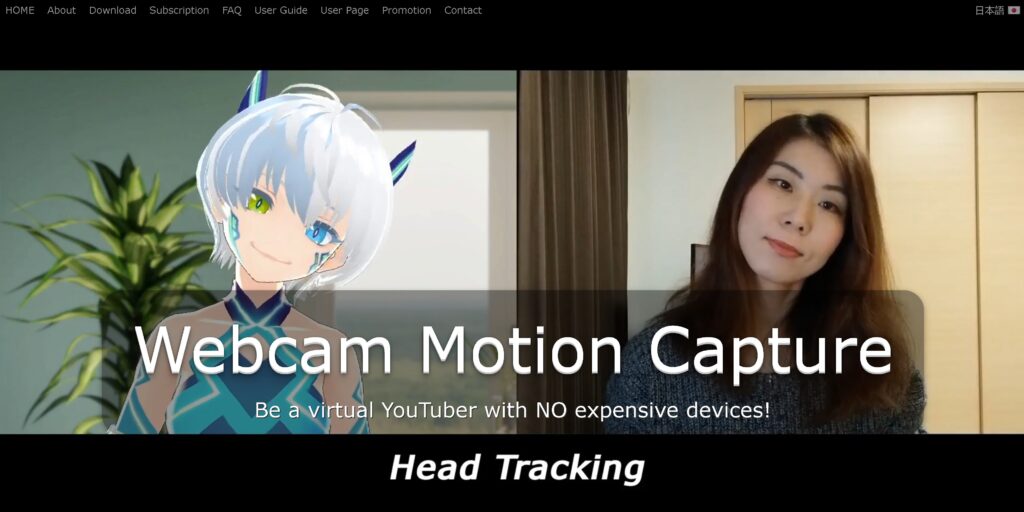
This browser-based AI tool tracks body and hand movement using a regular webcam, eliminating the need for expensive motion capture suits.
Website: https://webcammotioncapture.info/index.php
How it helps:
- Makes animation more affordable
- Supports independent creators
- Enables real-time avatar control
Recraft
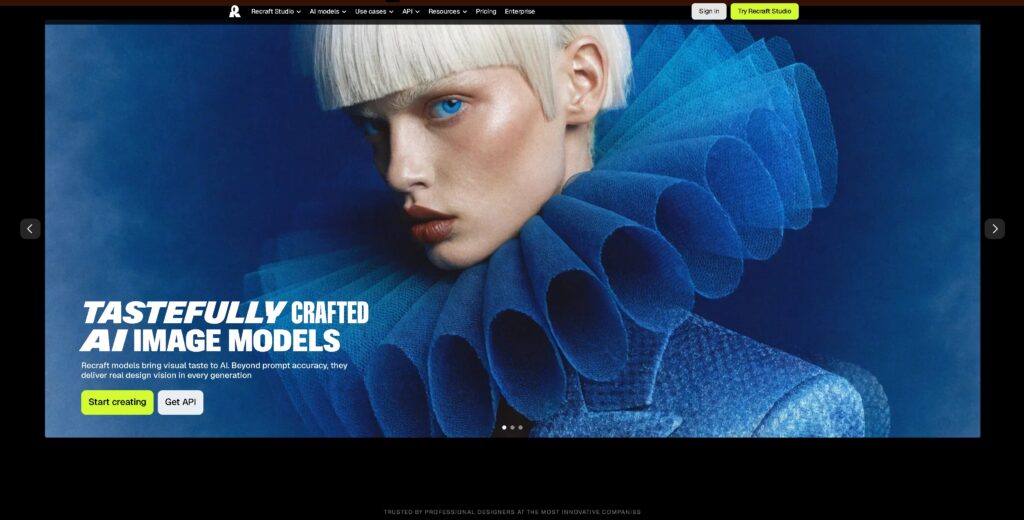
Recraft is an AI-powered design platform capable of generating illustrations, vectors, icons, and branding materials with remarkable speed.
Website: https://www.recraft.ai/
How it helps:
- Accelerates graphic design workflows
- Helps businesses create visual content quickly
- Supports designers with ideation
DreamFusion 3D
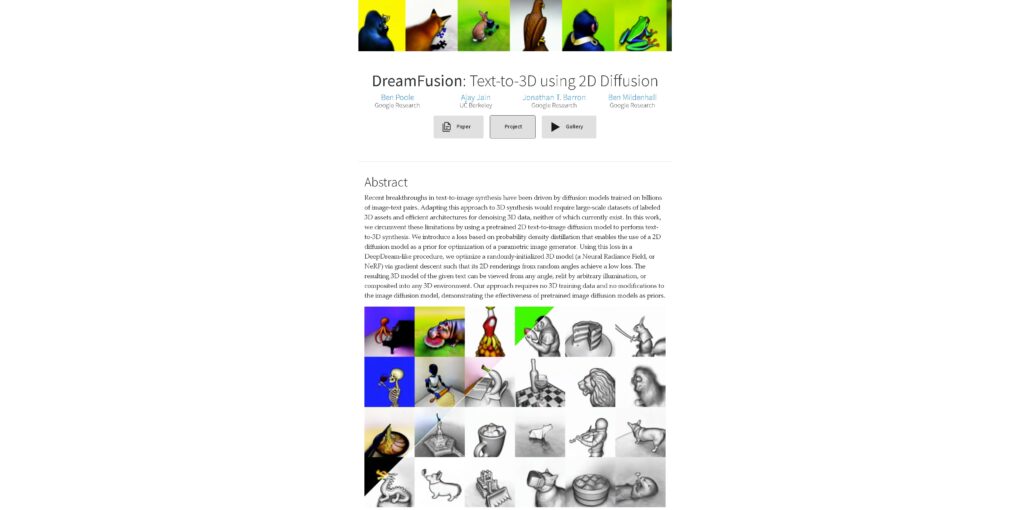
Dream Fusion 3D is a groundbreaking research project that generates 3D objects directly from text prompts using diffusion models.
Website: https://dreamfusion3d.github.io/gallery.html
How it helps:
- Demonstrates the future of text-to-3D generation
- Reduces dependence on manual modeling
- Inspires next-generation AI creativity tools
Rodin AI
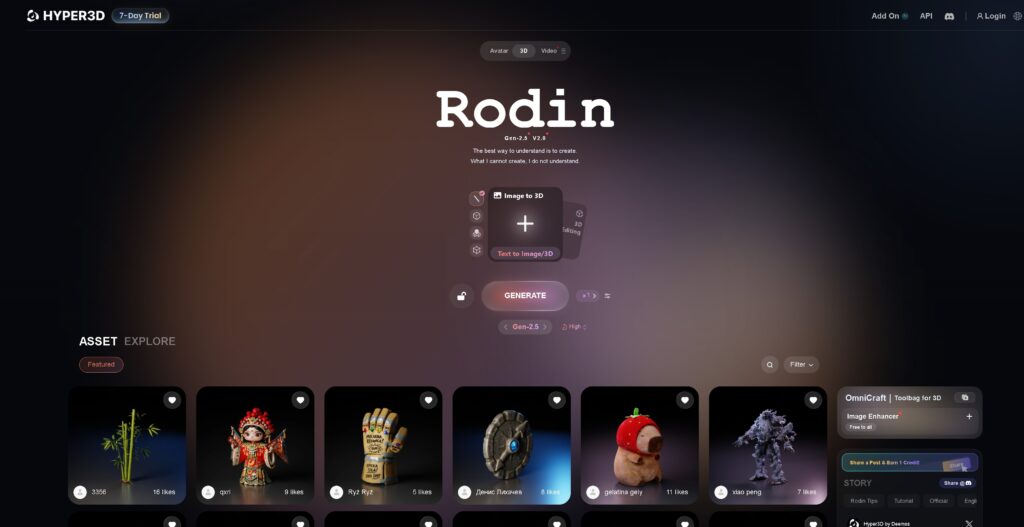
Rodin AI creates textured 3D characters and assets from prompts or reference images, making game and animation production significantly faster.
Website: https://hyper3d.ai/
How it helps:
- Speeds up character creation
- Assists indie game studios
- Reduces production costs
Simulon
Simulon combines AI with cinematic visual effects workflows to help creators build advanced digital scenes and simulations.

Website: https://apps.apple.com/us/app/simulon/id6670765943
How it helps:
- Streamlines VFX production
- Enhances storytelling
- Supports virtual filmmaking
Kaedim 3D
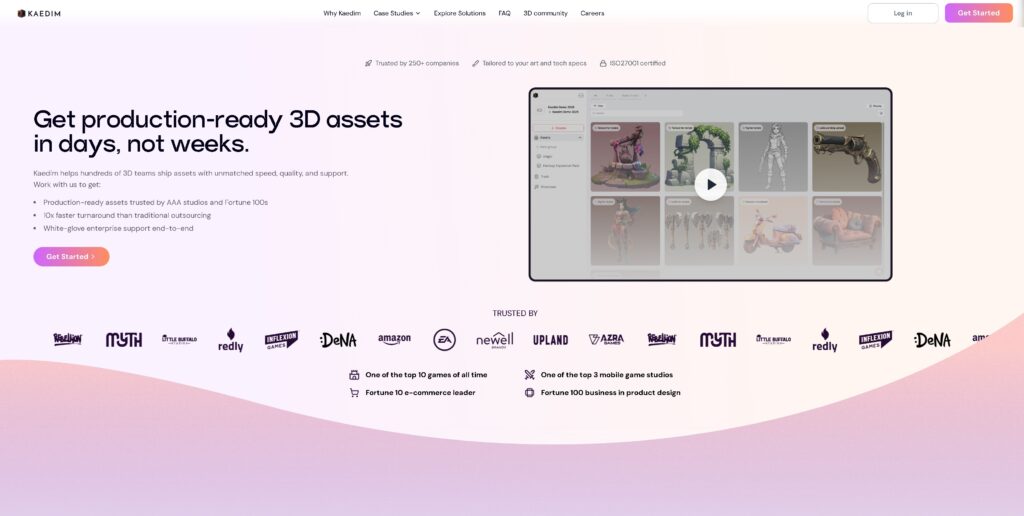
Kaedim transforms sketches and concept art into production-ready 3D assets for games and digital media.
Website: https://www.kaedim3d.com/
How it helps:
- Bridges concept art and 3D modeling
- Speeds up asset pipelines
- Helps small studios compete
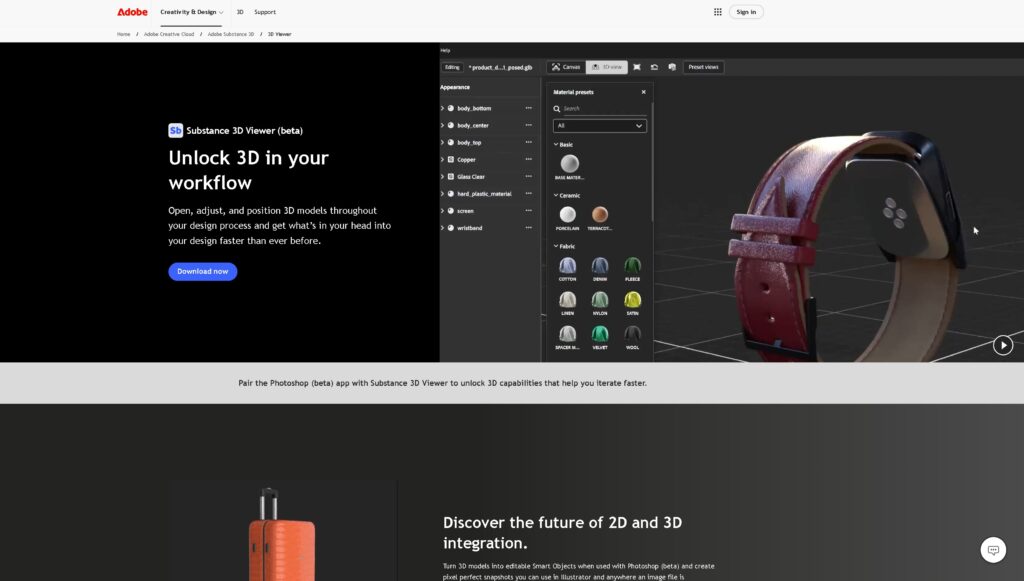
Substance 3D Viewer
Adobe’s Substance 3D Viewer allows creators to inspect, showcase, and present 3D materials and models efficiently.
Website: https://www.adobe.com/
How it helps:
- Improves collaboration
- Simplifies material visualization
- Enhances professional presentations
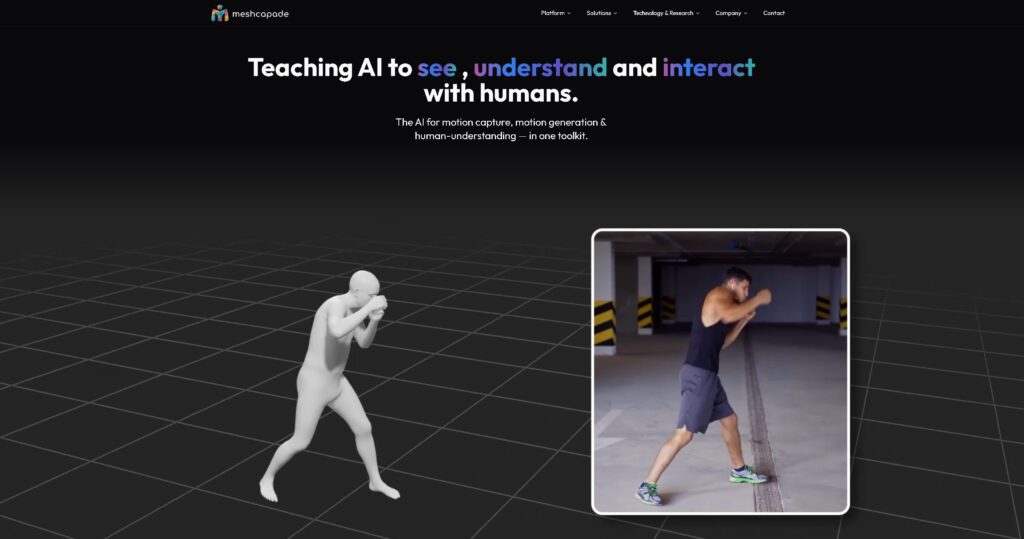
Meshcapade
Meshcapade focuses on realistic digital humans and AI-driven body motion technologies.
Website: https://meshcapade.com/
How it helps:
- Advances digital avatar realism
- Supports virtual humans and metaverse applications
- Improves animation workflows
The Bigger Picture: AI as a Creative Partner
One of the biggest misconceptions about AI is that it exists solely to replace jobs. In reality, many AI systems are becoming collaborative tools that enhance human capability rather than eliminate it.
Designers can create faster.
Filmmakers can experiment more freely.
Engineers can prototype rapidly.
Educators can personalize lessons.
Healthcare professionals can access better diagnostics.
AI enables people to achieve more with fewer resources.
This shift may create entirely new industries and careers that do not yet exist today.
Challenges and Responsibility
Despite its enormous potential, the future of AI also raises important concerns:
- Ethical use of generated content
- Data privacy
- Bias in algorithms
- Job displacement in certain sectors
- Deepfake and misinformation risks
Responsible development will be essential. Governments, researchers, companies, and users must work together to ensure AI remains beneficial, transparent, and human-centered.
Conclusion
The future of AI is not simply about smarter machines — it is about expanding human potential.
As artificial intelligence continues to evolve, it is creating new opportunities for innovation, productivity, and creativity across every industry. From AI-powered design and 3D generation to automation and digital content creation, these technologies are helping people achieve more than ever before. The future of AI is not just about smarter technology—it is about empowering individuals and businesses to turn ideas into reality faster, more efficiently, and with fewer barriers.
Looking for more cutting-edge AI tools and resources? Visit Best AI Tool Spot to discover the latest AI platforms, software reviews, and emerging technologies shaping the future..